

Vintage & Boho Throw Pillows: Small Details That Change the Whole Room

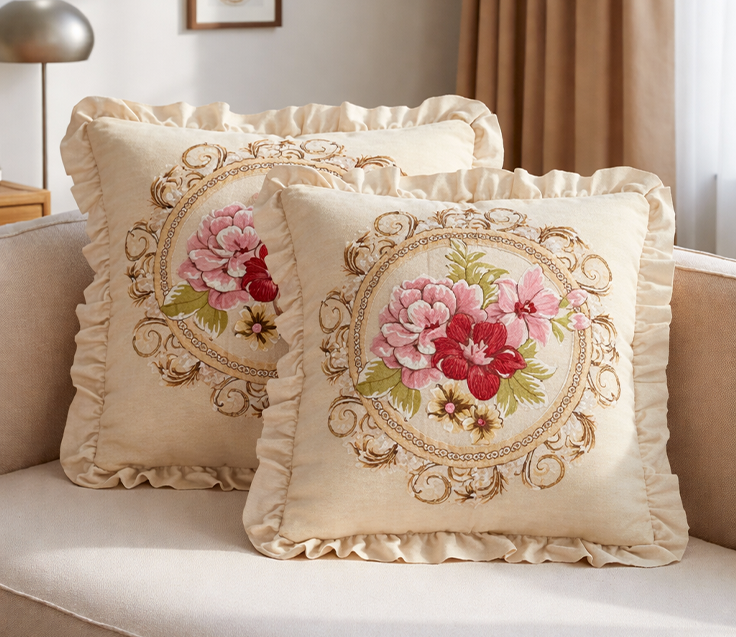
Soft furnishings often make a bigger impact than large furniture pieces. A sofa stays the same for years, but throw pillows and pillow covers can completely shift the mood of a space in minutes. In homes from relaxed bungalows in San Diego to eclectic apartments in Austin, vintage and boho inspired pillows are becoming the easiest way to add personality without overwhelming a room.
The Charm of Vintage Textures
Vintage style is less about age and more about feeling. It draws from traditional patterns, faded tones, and handcrafted details that feel collected over time. Think muted florals, distressed prints, washed linen, soft cotton, and subtle embroidery. The beauty of vintage throw pillows lies in their imperfection. Slightly uneven stitching or gently faded colors add character rather than flaw.
Earthy neutrals, dusty rose, olive green, rust, and warm beige are common in vintage palettes. These tones blend naturally with wood furniture, woven rugs, and warm lighting. Instead of looking overly styled, the space feels lived in and layered.
Boho Layers and Global Influence
Boho style is freer and more expressive. It mixes patterns, textures, and cultural influences without strict rules. A boho pillow might feature geometric tribal prints, tassels, tufted details, or bold embroidery. Texture plays a big role here. Macrame accents, woven cotton, and chunky fabrics create depth even when colors are neutral.
Unlike minimal interiors where everything matches perfectly, boho styling encourages variation. A striped pillow can sit next to a floral one. A textured ivory cover can balance a patterned terracotta piece. The goal is harmony, not uniformity.
Throw Pillows vs Pillow Covers
Throw pillows are ready to use and convenient, especially if you want an instant refresh. Pillow covers, however, offer flexibility. You can switch covers seasonally while keeping the same inserts, which saves storage space and cost over time.
For vintage and boho interiors, pillow covers are particularly practical. You can rotate lighter linen covers in spring and summer, then switch to heavier woven or textured fabrics in fall. This keeps the room feeling updated without changing core furniture pieces.
Mixing Vintage and Boho the Right Way
Vintage and boho styles naturally complement each other because both embrace warmth and individuality. The key is balance.
Start with a neutral base such as beige or cream. Add one vintage inspired floral or faded print as an anchor piece. Then introduce one or two boho textured pillows with tassels or geometric patterns. Keep the color palette cohesive even if the patterns vary. Repeating one accent color throughout the arrangement helps everything feel intentional.
Odd numbers often work best for styling. Three or five pillows create a relaxed, curated look rather than a symmetrical showroom feel.
Advantages of Vintage and Boho Throw Pillows
They are affordable compared to large decor changes.
They allow seasonal updates without replacing furniture.
They add softness and comfort to structured spaces.
They create visual depth through layering of fabric and texture.
Because they are easy to swap out, they are low commitment. If trends shift or personal taste evolves, changing pillow covers is simple and cost effective.
Things to Keep in Mind
Highly textured fabrics can collect dust more easily and may require gentle vacuuming or spot cleaning. Lighter vintage tones can show stains faster, especially in homes with pets or children. It is helpful to choose washable covers or fabrics that are durable enough for daily use.
Also, avoid overcrowding. Too many patterns without a consistent color thread can make the sofa look chaotic instead of curated.
Creating a Cozy Statement
Vintage and boho throw pillows are not just decorative accessories. They soften clean lines, warm up neutral rooms, and reflect personality in subtle ways. Whether your home leans rustic, coastal, or modern eclectic, a thoughtful mix of textured pillow covers can transform the atmosphere without a full redesign.
Sometimes the smallest layers are the ones that make a space feel truly complete.