

How to Care for Bamboo and Rattan Lamps in the U.S. ClimateMaintenance Tips, Pros and Cons You Should Know

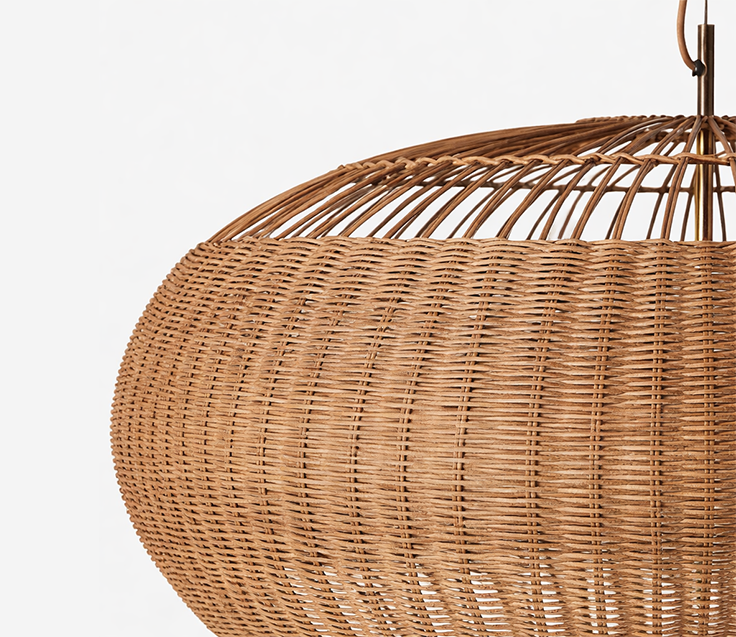
Natural lighting made from bamboo and rattan brings warmth and texture into a home, but like any organic material, it responds to its environment. In the United States, climate conditions vary widely from dry heat in Phoenix to coastal humidity in Miami and cold winters in Chicago. Understanding how these conditions affect your lamp will help it last for years without losing its shape or color.
Understanding How Climate Affects Natural Materials
Bamboo and rattan are plant based materials. They expand slightly in humid conditions and contract in very dry air. In humid states, excess moisture can soften fibers over time, especially in woven rattan designs. In very dry regions, prolonged low humidity may cause minor cracking if the material becomes too brittle. Indoors, however, most homes are climate controlled, which significantly reduces extreme impact. The key is consistency. Stable indoor humidity between 40 and 60 percent is ideal.
How to Clean Bamboo and Rattan Lamps Properly
Dust is the most common issue. Use a soft microfiber cloth or a feather duster weekly to prevent buildup between woven gaps. For deeper cleaning, lightly wipe with a damp cloth and dry immediately. Avoid soaking the material or using harsh chemical cleaners, as excess water can weaken fibers. A small handheld vacuum with a brush attachment works well for intricate woven patterns.
If the lamp is installed in a kitchen, clean it more frequently to prevent grease buildup. In that case, a slightly damp cloth with mild soap is enough, followed by thorough drying. Never spray water or cleaning solution directly onto the shade.
Placement Tips for Different U.S. Regions
In dry areas such as Arizona or Nevada, avoid placing the lamp directly near heating vents or fireplaces. Adding a humidifier during winter months can help maintain material flexibility. In humid coastal states like Florida or Louisiana, ensure good air circulation and avoid installing the lamp in bathrooms without proper ventilation. In colder northern states, indoor heating during winter can dry the air significantly, so moderate humidity control is beneficial.
Direct sunlight is another factor. Continuous exposure to strong UV rays can gradually fade the natural tone of bamboo and rattan. Install lamps away from large uncovered south facing windows or consider sheer curtains to soften direct light.
Advantages of Bamboo and Rattan Lamps
These lamps are lightweight yet strong, making installation simple and safe. They are environmentally responsible choices because both materials grow quickly and regenerate naturally. Their neutral tone blends easily with modern, coastal, minimalist, or bohemian interiors. They also create soft, inviting lighting that enhances comfort in living rooms and bedrooms.
Another advantage is timelessness. Unlike trend driven materials, woven natural textures rarely feel outdated. With proper care, they can maintain their structure and aesthetic appeal for many years.
Potential Disadvantages to Consider
Natural materials are more sensitive to moisture and extreme dryness compared to metal or plastic. They may require occasional dusting due to their textured surfaces. In very humid environments without air conditioning, woven shades can slightly loosen over long periods. Additionally, because each piece is often handcrafted, minor variations in color or weave are normal. For some homeowners, this uniqueness is a benefit, but those seeking perfect uniformity may see it as a drawback.
Is Maintenance Complicated
Not at all. In most American homes with air conditioning or heating systems, bamboo and rattan lamps perform very well. Regular dusting, moderate humidity control, and protection from prolonged moisture are usually enough. They do not require specialized treatments or constant upkeep.
With simple preventive care and mindful placement, bamboo and rattan lighting can remain durable and beautiful across different U.S. climates. Their natural character may respond subtly to the environment, but that same organic quality is also what makes them feel warm, authentic, and inviting in the first place.